
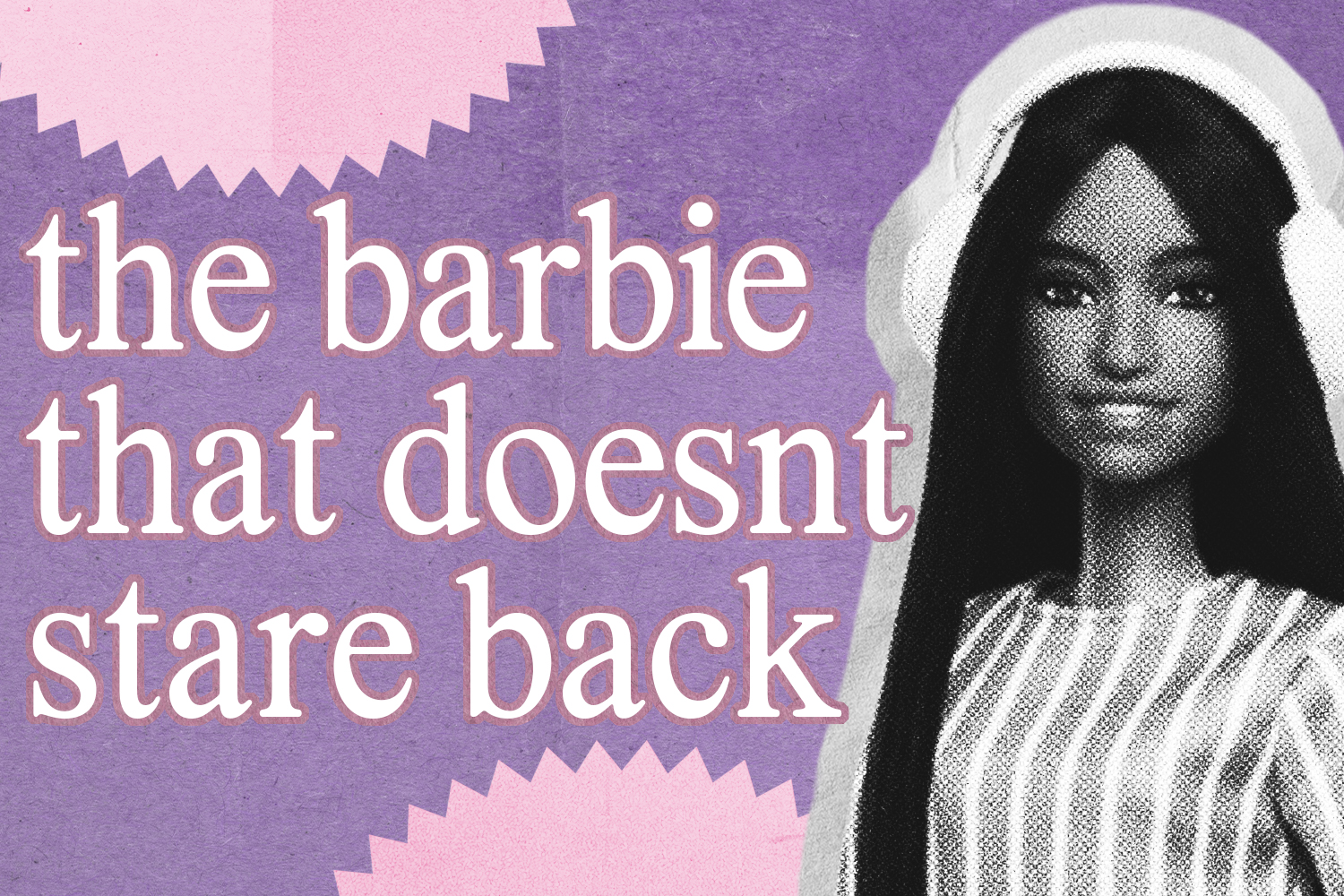

My basement is filled with a collection of dolls: Barbies, American Girl Dolls, and Princess figurines each representing an idea of perfection. I grew up “different”, too much, too little, always missing the piece of the puzzle that the other kids seemed born with. The excuse is a chemical imbalance in my brain, shit luck. Yet the dolls I grew up playing with didn’t have this luck. I mean, Barbie was a veterinarian, an astronaut, a president, but she was never unlucky. I would constantly stare into the eyes of these bits of perfection, wondering why I was the unlucky one, until they made a doll that didn’t stare directly back.
In January 2026, Mattel dropped their “Barbie Fashionistas”, the most diverse Barbies to date. Each having diverse skin tones, hair types, body types, and various medical conditions and disabilities, one being autism.
Autism can be an invisible disability at times, but now it’s on the biggest name in the industry: Barbie. She was developed in a 18-month partnership with ASAN– Autistic Self Advocacy Network, A nonprofit which advocates for inclusion and representation within the media. Mattel also highlights Madison Marilla, “Love on the Spectrum” star, and Aarushi Pratap, an autistic fashion designer, both being successful neurodivergent women who fight to break the stigma with autism.
The doll features elbow and wrist articulation to emulate stimming, a common behavior to self-regulate, express emotions and manage sensory input. An averted eye gaze reflecting the avoidance of eye contact. Neurodivergent people avoid eye contact due to the overwhelming emotional stimulus, not general disinterest. She has multiple accessories, such as: a fidget spinner for a sensory outlet, noise-canceling headphones to avoid overstimulation and overbearing noises, and a pink tablet symbolizing Augmentative and Alternative Communication apps (AAC), a common tool for non-verbal communication. She wears sensory safe textiles and sensory conscious fashion choices. Loose-fitting comfortable textiles to avoid skin contact, the calming yet engaging color purple, and shoes with flat soles for stability. Frequently, textures, colors, and clothing can overwhelm the tactile senses, triggering meltdowns, anxiety, and behavioral problems. This isn’t an overall pickiness, but a reaction within the nervous system resulting in a strong sensitivity to the textures they feel.
Each unique feature is intentionally designed for the little girls and boys longing to see representation for people like them. People who get overstimulated by certain fabrics, people who “stim out” when they get excited, and people who feel so deeply but can’t find the piece of the puzzle to express themselves. I’ve worked with kids on the autism spectrum and children in rehabilitation hospitals, and I look down at this doll, I see them. I see genuine smiles and connections. I see hope and inclusion. I see myself. Thank you, Mattel, for seeing us, even if Barbie isn’t directly staring back.
Words by Ella Saltzman
Graphic by Owen Crosby