
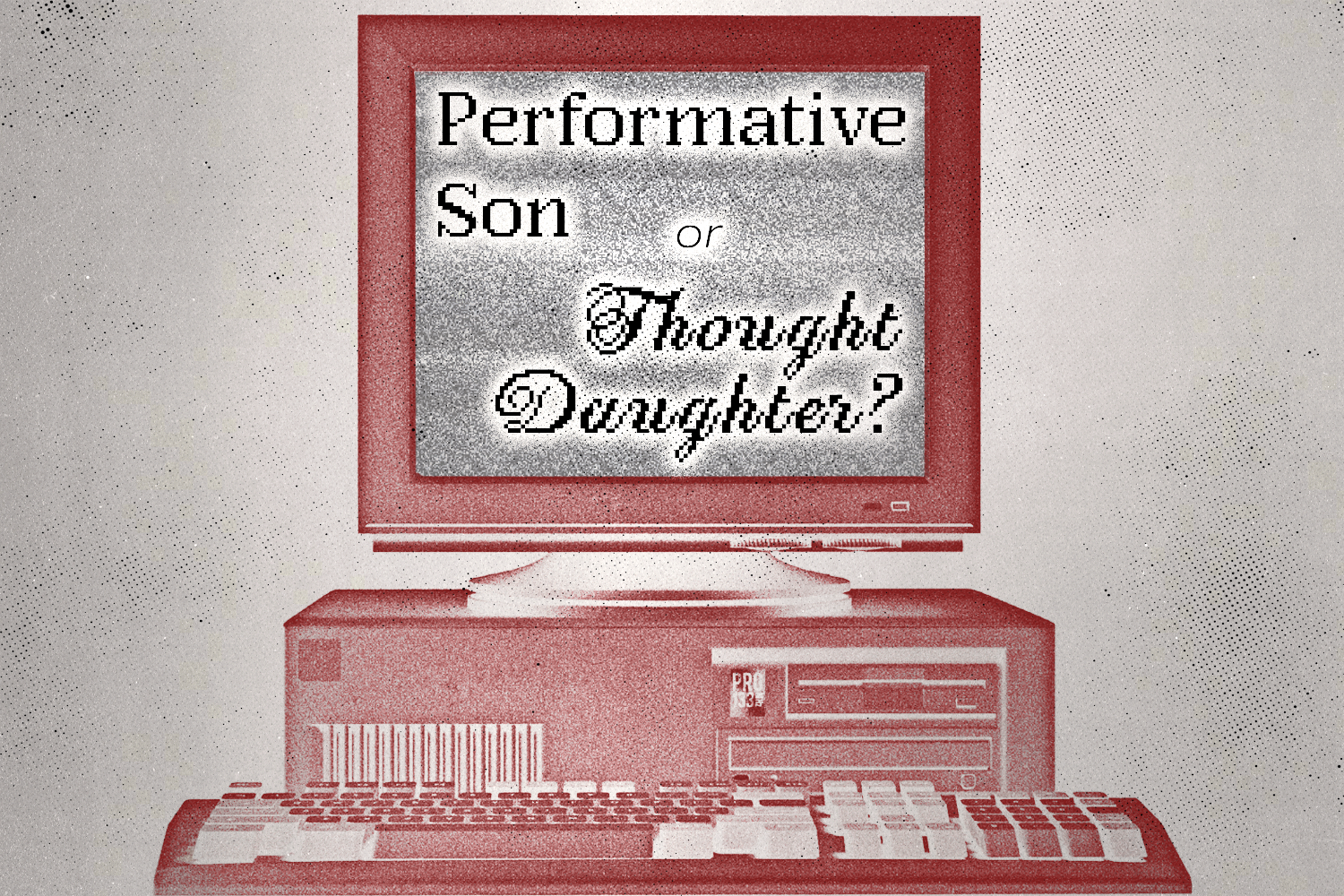

The boys are gathering in parks with matcha lattes in their hands and cursory feminist literature in their totes. The girls are going insane in their bedrooms (or rather, on social media). Everyone is calling out so-called performativity, and it’s hard to tell who’s genuinely reading Sylvia Plath and who is carrying around “The Bell Jar” pretending to be Kat Stratford in “10 Things I Hate About You.” We’ve settled into a new era in social consciousness: the era of performance.
Though the era of performance may be new, the concept is certainly not. Performativity has always existed and will always exist. In the past, though, we haven’t had the microscope of judgement that social media provides. In the age of being chronically online, it’s easier than ever for your life to be picked apart, and to pick apart the lives of others. The ease of social media allows for carefully curated personas and the development of new trends to follow on the daily. But when does hunting Tdown performativity become anti-intellectualism? What does it mean to gatekeep things like feminism and literature? And the more important question – is this all a byproduct of social media rotting our brains?
The term “performative male” has been coined on the internet, not so different from the “tomato girl” of the summer or especially the “thought daughter” of this fall. It’s used to describe a man who performs for the female gaze, doing things like reading and listening to Clairo mostly disingenuously. It’s funny. It’s an internet microtrend not unlike many others. This idea of the performative male and the thought daughter, though, raises the question of what it means to identity-signal in the age of the internet.
It’s fair to say that reading is a big part of this discussion. Both the performative male and the thought daughter (allegedly) read the classics, or at least, the classics of their niche. Feminist literature and books by writers like bell hooks and Joan Didion are often brought up in this conversation of what it means to read performatively. Should we be demonizing people, though, for reading these genuinely meritable pieces of work? Oftentimes, this performance of intellectualism is genuinely the first step to actually reading. We can’t become anti-intellectual just because we’re convinced some people are faking it. Fake it till you make it – isn’t that what they say?
This also brings in the idea of gatekeeping. We inherently don’t want the masses to be making TikToks about our favorite books and albums and coffee shops. We want to feel like we own part of our persona, like we are unique and individual in our interests. In the internet age this is an impossible desire. It’s important to note, though, that some things can’t be gatekept, especially something as base-level as the act of reading. We demonize the performative male and the thought daughter for popularizing interests that are already somewhat universal. Though maybe they’re overdoing their performance of the interests, the act itself is not something that you can criticize people for doing.
This idea of being a performative male, or thought daughter, is not unlike the more familiar term: being a poser. We have long criticized the poser for their facade of interest, for not knowing enough songs of an artist or not having truly read Didion. We tear these people apart, and yet, do we ever stop to wonder about their motivations? This idea is something writer Rayne Fisher-Quann calls, “poser ethics.” She says in her essay on the subject, “The critic lost in the world of poser ethics mistakenly believes that something being performative prevents it from being real, and loses access, in the process, to a great deal of reality.”
The poser, the performative male, the thought daughter. They’re all some extension of overt identity-signaling. We want to fit in a group, we want to meet others that we share interests with. In the modern cultural landscape, this performance is inextricable from our daily life. Social media forces us to curate ourselves, but we have a say in how we go about this curation. And though it is a performance, it doesn’t have to be disingenuous. You don’t need to be reading Didion or Sylvia Plath if you don’t want to, but you shouldn’t let the guise of others deter you if you do.
We’re all reflecting some persona, whether it’s deemed performative or not. So present yourself however you want. Carry that tote bag, order a matcha. Write your heart out to strangers on the internet. Read the books all the people online are talking about. Just make sure you’re proud of what persona you’re performing. Because really, haven’t we been performing all along?
Words and Graphic by Avery Melhado