
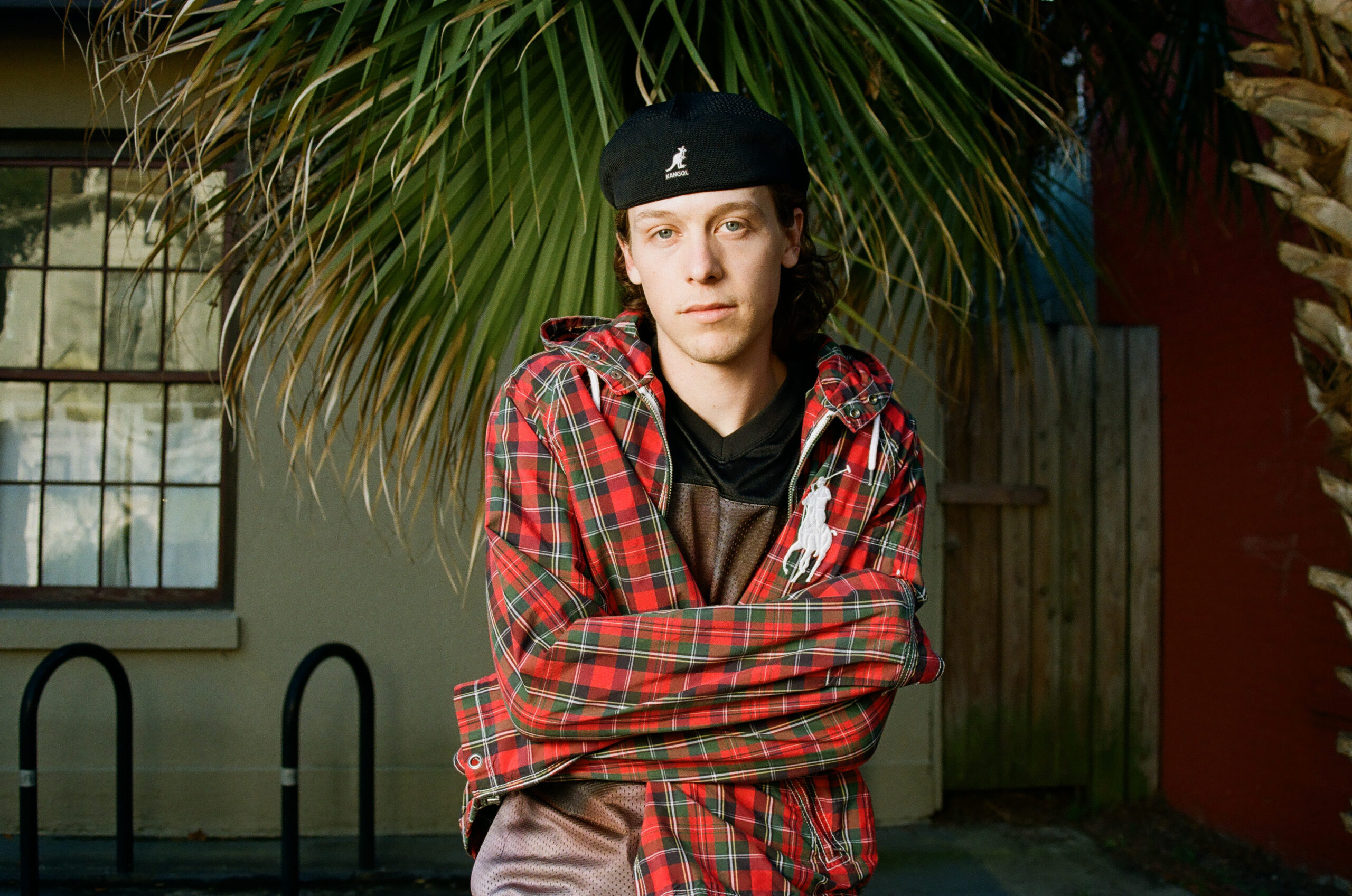

Around Savannah, the question “Oh, where’d you get that?” about any piece of clothing often receives the answer, “from Papa Jawn’s!” And I’m not talking about the pizza place.
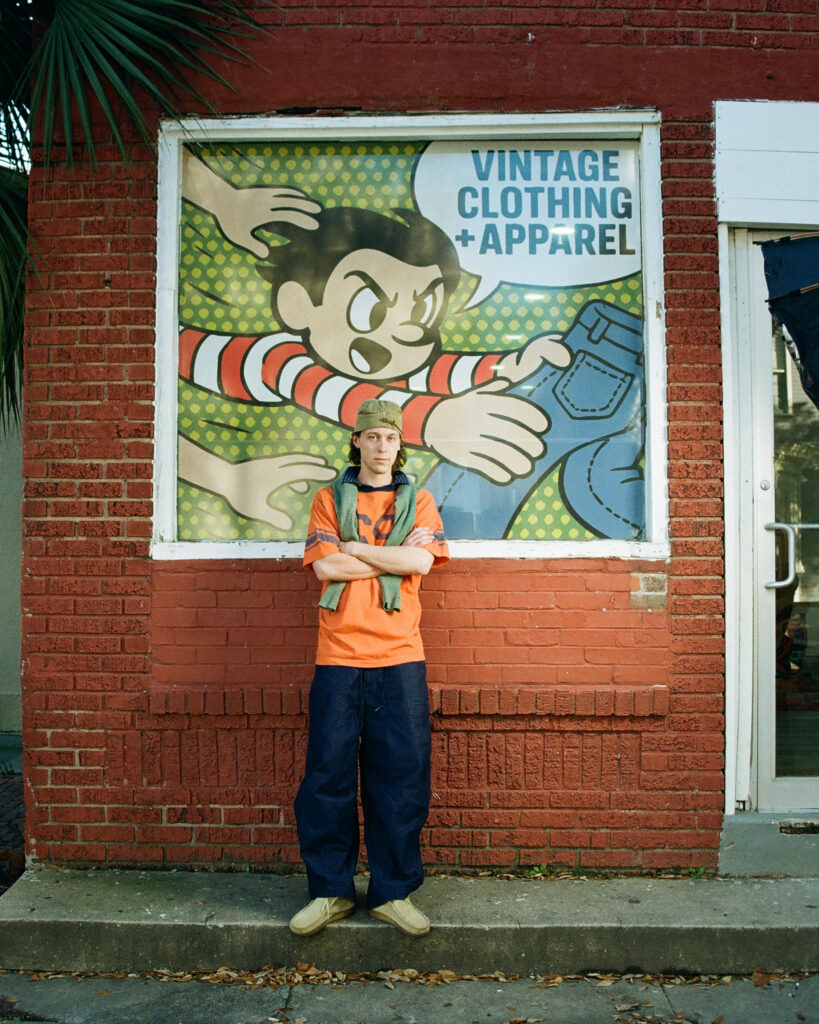
The first time I met Ian Joseph, he was at a vintage market in the courtyard at Perc Coffee. It was a sunny day full of booths and sellers. I think I bought a blue Tasmanian Devil shirt. It was at these markets that Papa Jawns became less of a guy selling clothes and more of a business.
The name seems strange, and my advertising brain tells me it’s a trademark violation. But anyone who knows Joseph knows that the name is all him.
“The name actually came from my buddy and I. We were on a road trip to the beach when I was in high school. And while we were driving, we saw Papa John’s Pizza billboard. And we were all just like, super into clothes. We use Jawns slang word to describe clothing or shoes. And I was like, Papa Jawns is pretty funny. And my friend thought it was funny. And then the name just kind of stuck. People would call me Papa John’s even before I started the business.”
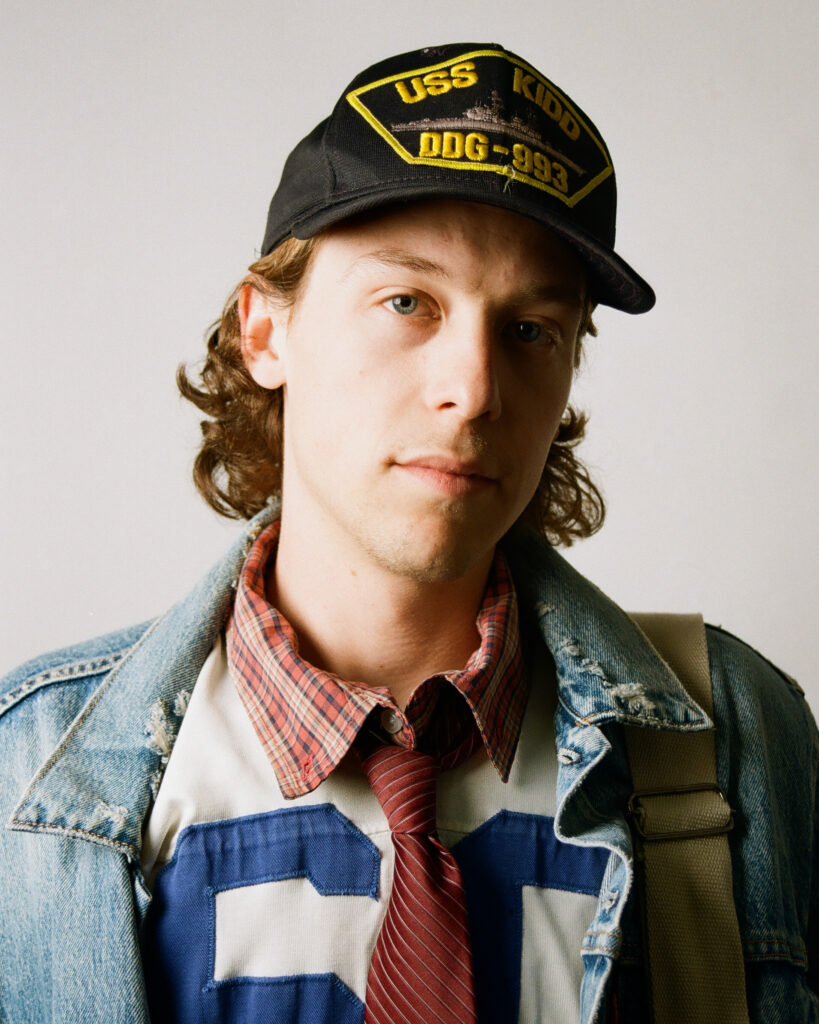
It’s a humorous take, but also kind of on the pulse of what Joseph is trying to achieve. “I like the idea of, like, bringing humor into fashion, and I thought that was a good way to implement it in terms of vintage,” Joseph says.
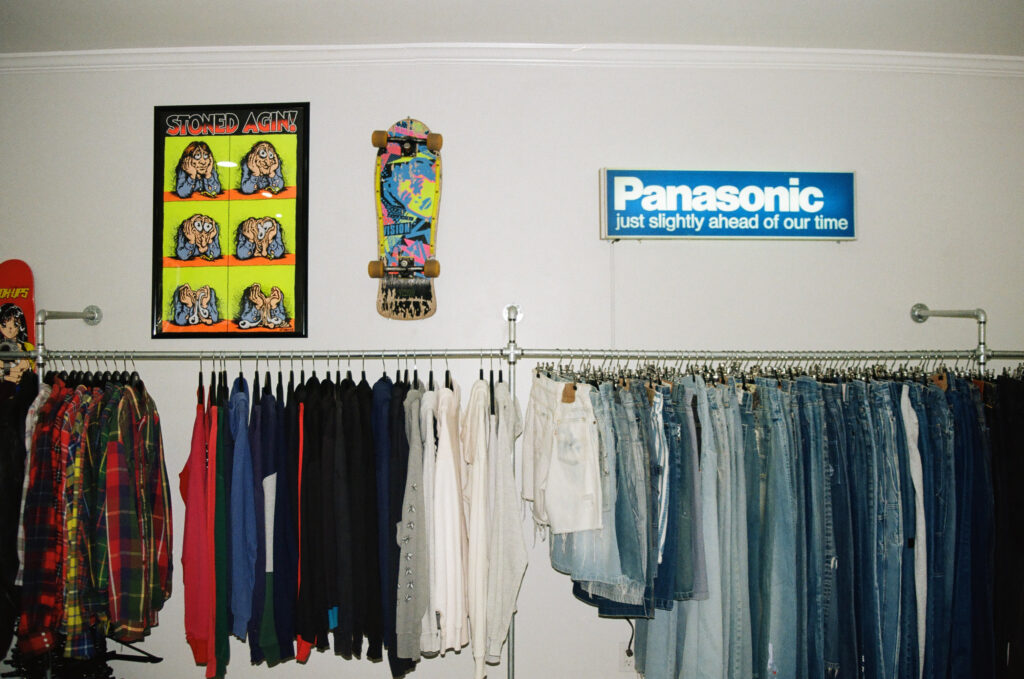
The store is just that mix. F**king Awesome skateboards on the wall, slogan tees, and anything from Carhartt to Jil Sander. Piles of incense burning and DIY clothing racks. It’s a store that is ever-changing, whether it’s decor or the daily restock of clothing.
Vintage sellers get a bad rap. Whether it’s the image of a bunch of teens running through the Goodwill Bins, or someone lowballing you to sell your stuff for pennies on the dollar, they aren’t usually viewed as a “real business.” Ian Joseph is one of the outliers.
He values the community he’s in. Whether it’s the thrift stores he shops from, the people he sells to, or just anyone who enters his store. He views himself more as a community conduct and less of an uptight businessman. Mid-shoot for this profile, I had a friend show up, completely unrelated to what we were doing, to buy a fur coat for another friend’s birthday. I sadly informed her the store was closed that day, since we were out in the street shooting. Before I could really even finish, Ian offered to open the store to let her buy it, before checking with me that it would be okay to make the sale.
When we later sat down to talk, he remarked on how it has become more than a store. “This has become more of a hub for creatives, and serves as a community space for people to meet up, chill, talk about clothes, music, whatever their interests may be.” And he’s not just talking. In the dozen times I’ve been to the store, there’ve been people skating out front, friends hanging inside, somewhat browsing but mainly just there to hang.
Joseph’s reach goes far, both in the items he’s acquired and the people he’s sold to. “I’d say some grails I’ve acquired are an original oatmeal Patagonia Sherpa fleece from 1970 and a pair of 1950s capital-E Levis, with the selvage on the inside,” Joseph says. He’s also built a relationship with Tremaine Emory, the former creative director of Supreme and founder of Denim Tears. Emory works as a mentor for SCAD Fashion Design students, but always makes it a mission to stop in the store when he’s in town.
I’ve been in vintage stores all over the country. New York, LA, Phoenix, Philly, Tampa, Atlanta, and of course, here in Savannah. It might just be me personally, but I usually feel like a nuisance by being there. That I don’t “understand vintage” or why a moth-eaten T-shirt could be so expensive. Joseph has never acted like that. He always has a warm, happy welcome to every customer that comes in. He’s also never lowballed me once when it comes to selling.
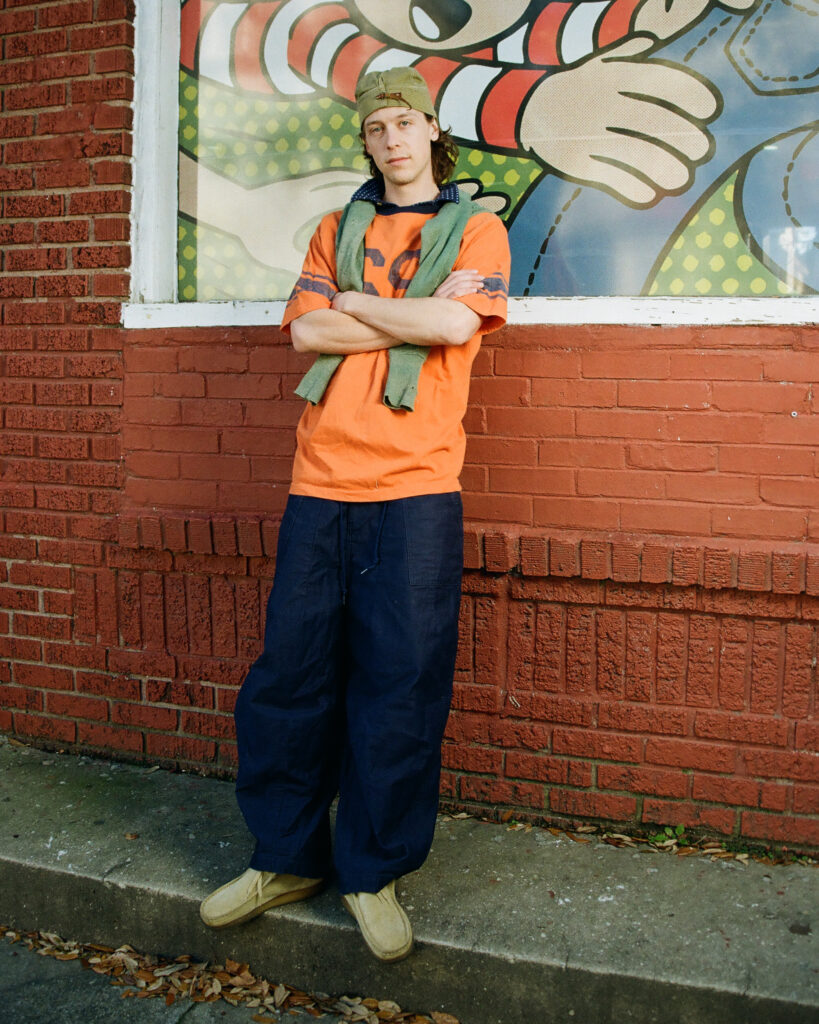
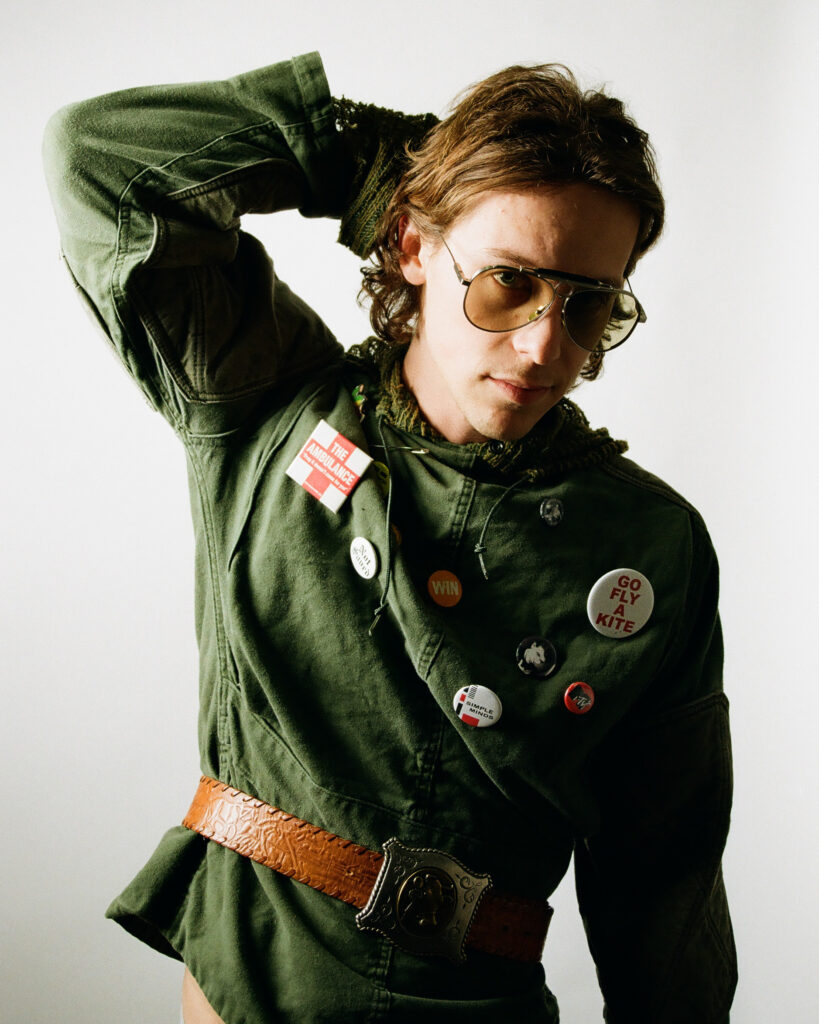
The store is a spitting image of Joseph. “I always tell people I put stuff in the store that I think is cool and that I would personally wear, or I could see somebody else wearing,” he says. He’s always wearing something that could be found similarly in the store.
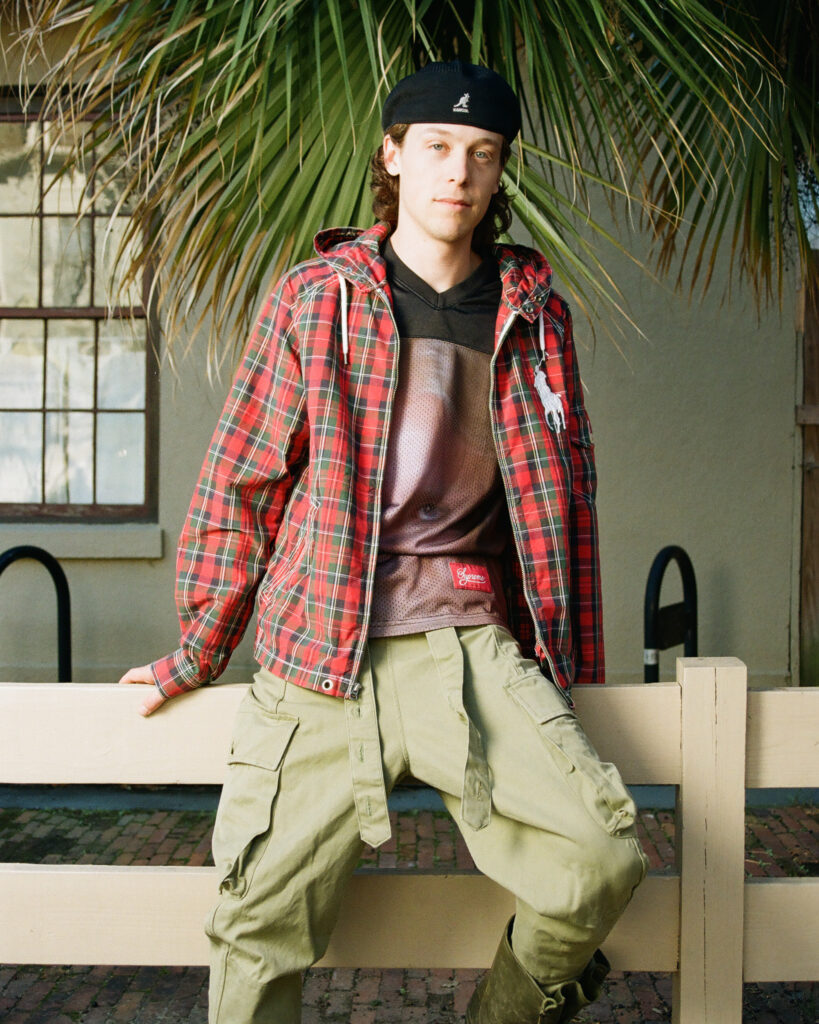
When I asked him what’s next, he seemed very content with where he is. He’s getting his first retail skate brand in the store, but with plans to expand or move, Joseph just said, “I love the idea of having this space. I don’t necessarily think I’m ready to get rid of it anytime soon.”
On the closing night of a bar here (of course, it’s the El Rocko Lounge), I saw a tourist wearing a Stüssy vest I sold a week or two prior to Papa Jawns. I approached him to confirm my assumption about where he got it. Not only was he excited that I asked, he was even more excited that he found it in a place like Savannah.
In a town full of southern boutiques, curated 1920s-esque vintage stores, and a couple URBN conglomerate stores, a place like Papa Jawns shouldn’t exist. And I think it’s safe to say it wouldn’t, without Joseph’s care for his craft and his attention to his audience. He listened, found a gap in the market, and is thriving because of his own care.
Joseph put it best himself: it’s not pizza, but a close second. It might even be better.
Co-Creative Direction, Photography, and Words by Evan Skovronsky
Co-Creative Direction and Styling by Anna Jara
Assisted by Elisabeth Edwards
Special thanks to Ian Joseph for allowing us to interview and photograph him.